13 Dec 202614:00 – 15:00
General meeting on Tamu Lhosar 2026 Upcoming
Planning the programme, responsibilities and preparations for our third Lhosar in Luxembourg. All members are asked to attend.
TAMU SAMAJ LUXEMBOURG
तमु समाज लक्जेम्बर्ग
We are the Gurung (Tamu) community of Luxembourg. Together we celebrate our festivals, keep our language and traditions alive, and welcome every Tamu family who makes Luxembourg home.
Upcoming event
TAMU SAMAJ LUXEMBOURG
◆ PRESENTS ◆
TAMU
तमु ल्होसार २०२६
◆ 3RD CELEBRATION IN LUXEMBOURG ◆
लुह् ल्होको स्वागत · Welcoming the Luh Lho
हार्दिक निमन्त्रणा
You are warmly invited
Countdown to Tamu Lhosar 2026
Friday, 25 December 202614:00 – 21:00
Hall Polyvalent, 1a Chemin de Bergem, L-3817 Schifflange
Our history · हाम्रो इतिहास
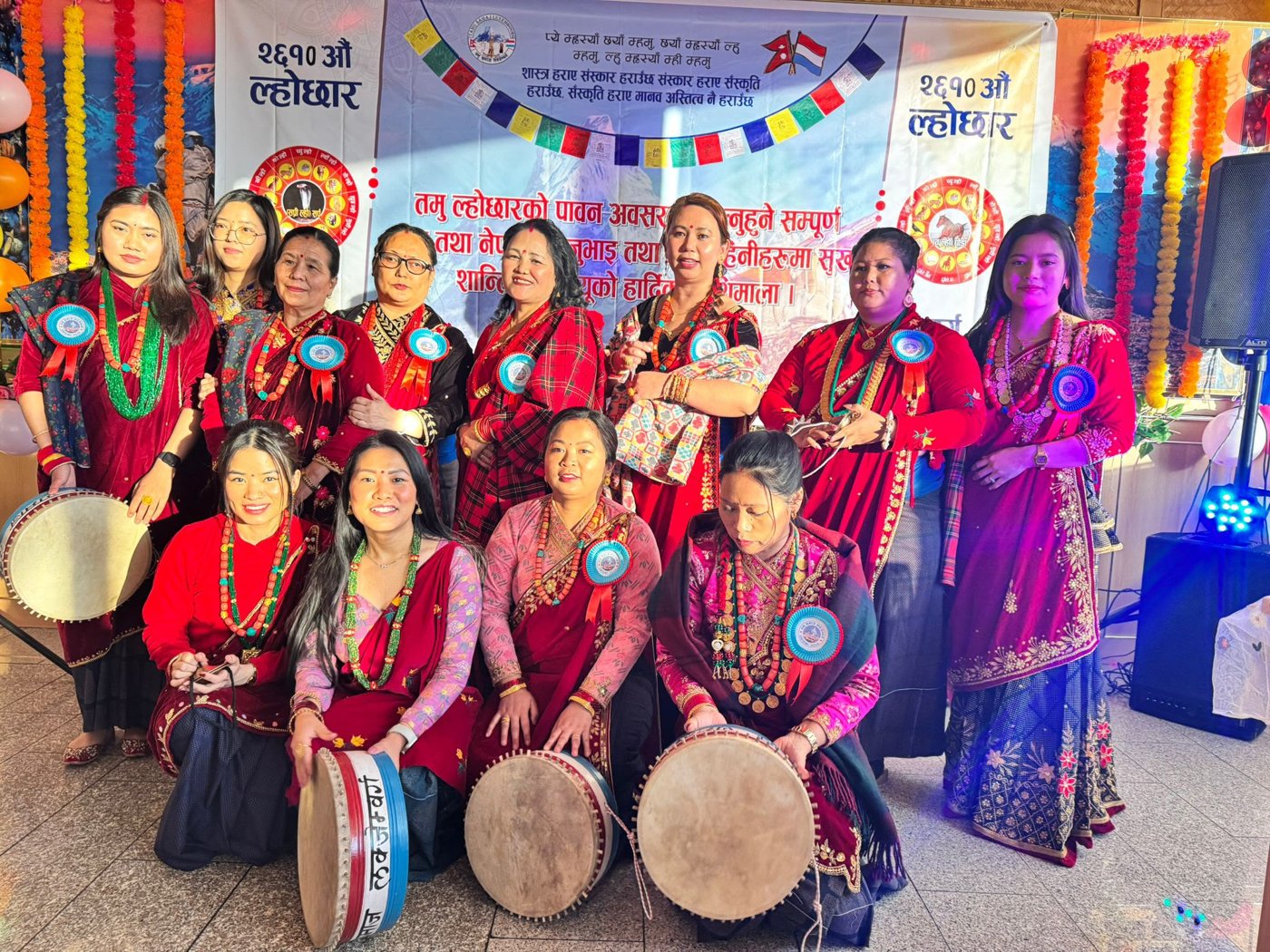
Tamu Samaj Luxembourg was founded in 2024 by Gurung (Tamu) families living in Luxembourg. We came together so that our children and our community could keep the language, customs and festivals we grew up with, even far from Nepal.
Since then we have celebrated Tamu Lhosar together every year. In December 2026 we celebrate our third Lhosar in Luxembourg, and we keep strong ties with Tamu communities in Belgium, France, Germany, the Netherlands and across Europe.
Our guiding words · Tamu Kyi
प्ये म्हस्याँ छ्या म्हमु
छ्या म्हस्याँ ल्हु म्हमु
ल्हु म्हस्याँ म्हि म्हमु
Meaning · नेपाली अर्थ
शास्त्र हराए संस्कार हराउँछ।
संस्कार हराए संस्कृति हराउँछ।
संस्कृति हराए मानव अस्तित्व नै हराउँछ।
When our scriptures are lost, our rituals are lost. When our rituals are lost, our culture is lost. When our culture is lost, human existence itself is lost. This is why we work to keep our heritage alive.
Tamu Samaj Luxembourg is a home for the Tamu (Gurung) community, and our doors are open to everyone. Friends from every community, Nepali, Luxembourgish and from all over the world, are warmly welcome at our events to share the joy of Lhosar, taste our food and enjoy our songs and dances. Our aim is to share our culture and history with all our neighbours and friends.
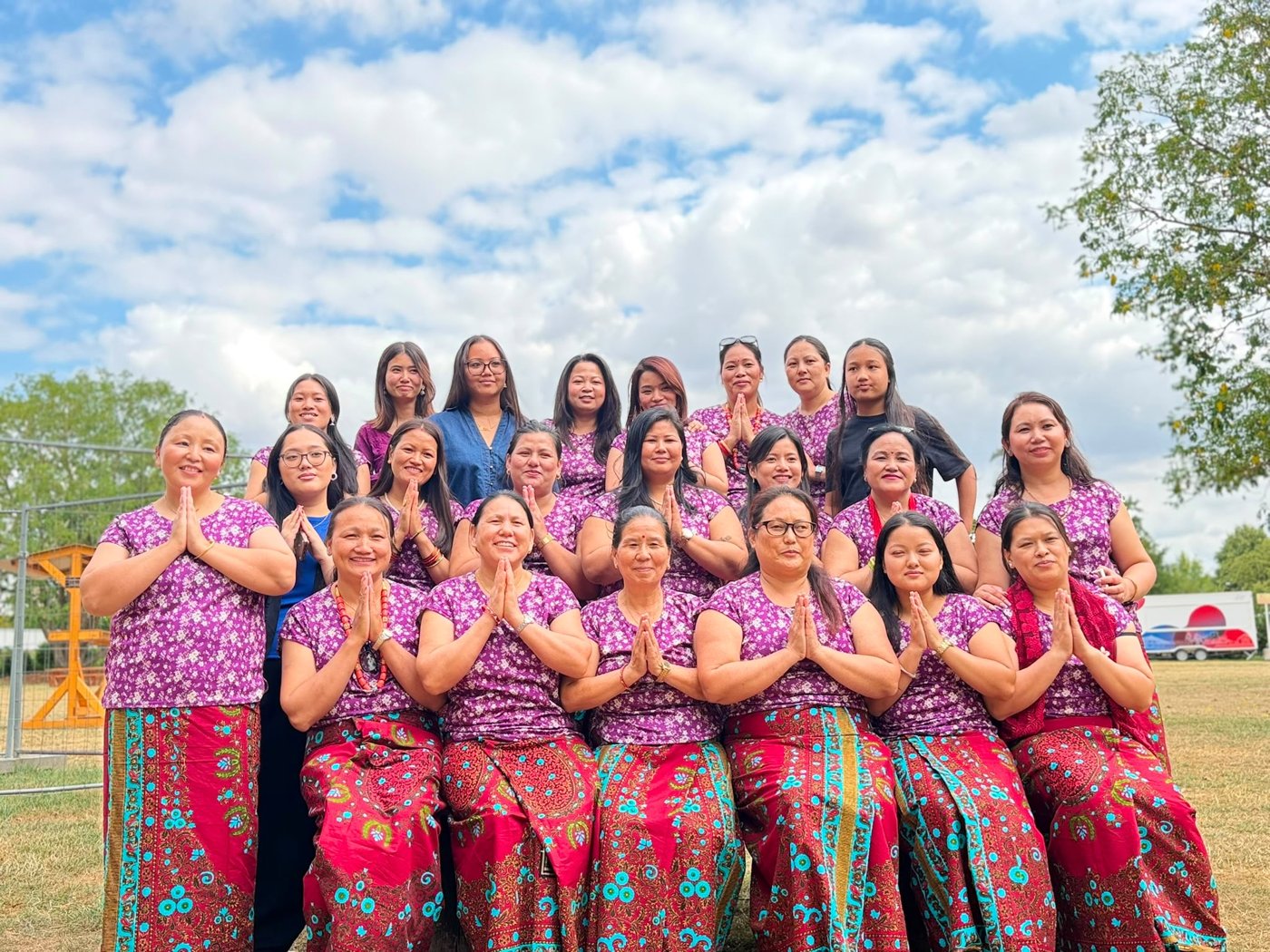
Our committee is run by volunteers. Together we plan Lhosar and cultural programmes, help new families settle in Luxembourg, take decisions in open general meetings and keep close ties with Tamu communities across Europe.
Because the samaj was founded to protect the Tamu language, rituals and traditions, the members of our executive board are chosen from the Tamu community. Everyone else is just as much part of our family: you are welcome to join as a friend and supporter and to take part in all our activities.
Keep Tamu traditions, dress, songs and dances alive in Luxembourg.
Help the next generation speak and understand Tamu Kyui and Nepali.
Bring Tamu families together and support each other in daily life.
Help new Tamu and Nepali families settle in Luxembourg.
Our culture · हाम्रो संस्कृति
The Tamu, also known as Gurung, are an indigenous people from the hills of central Nepal, around Gorkha, Lamjung, Kaski and the Annapurna region.
The Tamu live mainly in the hills and mountains of Gandaki Province in central Nepal, in districts such as Lamjung, Kaski, Gorkha, Syangja, Tanahun, Parbat and Manang. Our own language is Tamu Kyi, a Tibeto-Burman language passed down by speaking it at home.
Our new year falls on 15 Poush, usually 30 December, and is a public holiday in Nepal. Families gather in traditional dress, sing, dance, put up prayer flags and say farewell to the old Lho while welcoming the new one.
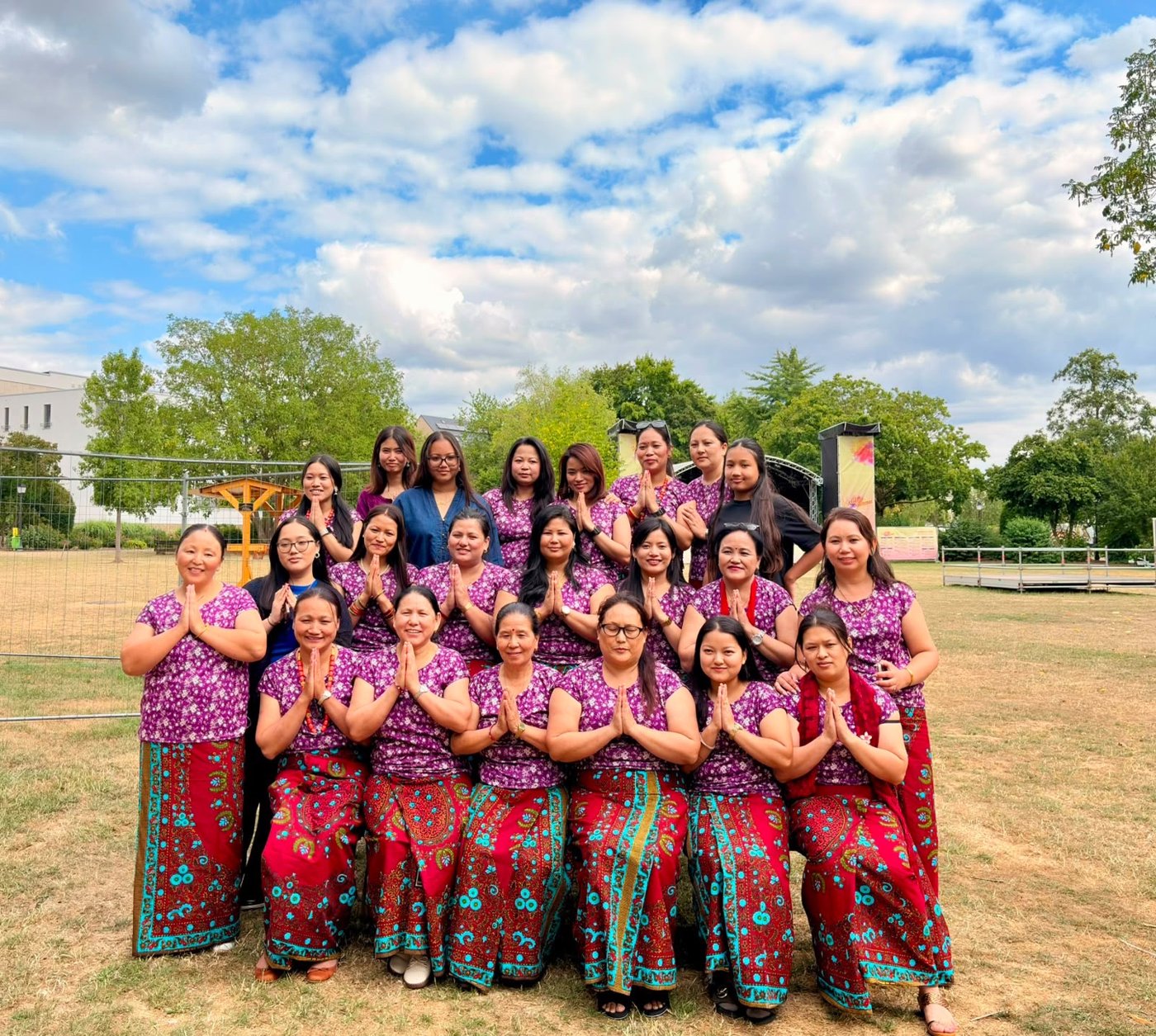
Men wear the bhangra, bhoto, kachhad and patuka. Women wear the ghalek, cholo, lungi and patuki, with gold ornaments and coral and stone necklaces. Many families wear their best dress for Lhosar.
Ghatu is one of our oldest dances, linked to Lamjung and performed around Baisakh Purnima. Songs and dances to the madal drum fill every Lhosar, wedding and gathering.
In Tamu villages, the rodhi is a traditional gathering place where young people meet to sing, dance, share work and build friendships for life.
Tamu families follow Buddhism, Hinduism and the old Tamu traditions together. Our own priests, the Pachyu and Ghyabri, and Buddhist lamas lead ceremonies for births, funerals and Lhosar.
Since the early 1800s, generations of Gurungs have served with courage in the Gurkha regiments of the British and Indian armies. Gaje Ghale received the Victoria Cross in the Second World War.
The twelve Lho · लोहोकोर
Our calendar turns through twelve years, each named after an animal. This Lhosar we say farewell to the year of the horse and welcome the year of the sheep.
Meetings & decisions · बैठक र निर्णय
A short public summary of our general meetings. Full minutes are shared with members.
13 Dec 202614:00 – 15:00
Planning the programme, responsibilities and preparations for our third Lhosar in Luxembourg. All members are asked to attend.
8 Dec 2025General meeting
Executive committee · कार्य समिति
Our executive committee (board) · In position from 25 December 2024 to present.
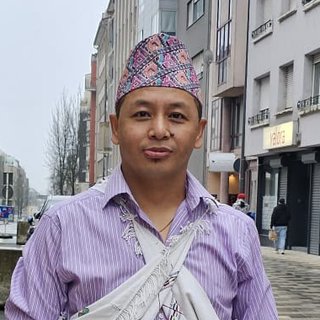 Santosh Gurungसन्तोष गुरुङPresident · अध्यक्षSince 25 Dec 2024 – present
 Rina Gurungरिना गुरुङVice-President · उपाध्यक्षSince 25 Dec 2024 – present
 Isha Ghaleईशा घलेSpokesperson · प्रवक्ताSince 25 Dec 2024 – present
 Padmini Gurungपद्मनी गुरुङCo-Treasurer · सह-कोषाध्यक्षSince 25 Dec 2024 – present
Gallery · तस्बिरहरू
Membership · सदस्यता
Tamu families and friends from every community are welcome. Fill in the form below in English or Nepali; it takes about two minutes. The committee receives your registration by email and will contact you.
Your registration has been sent to the committee. We will contact you soon by email or phone.
Support us · सहयोग
Your support helps us organise Lhosar, cultural programmes and activities for our children.
Contact · सम्पर्क
New in Luxembourg, want to join, or have a question about our events? Write to us and a committee member will reply.